Español English

Location of Lake Burunge Tented Camp

03° 41' 59.1" S // 35° 51' 48.9" E // Altitude: 953 m

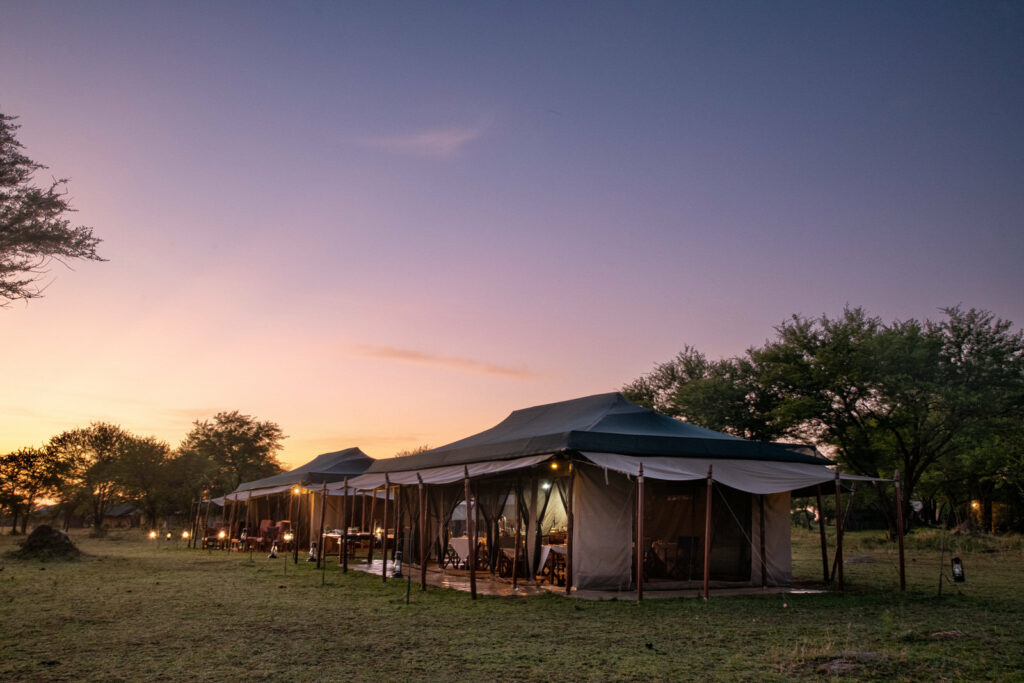


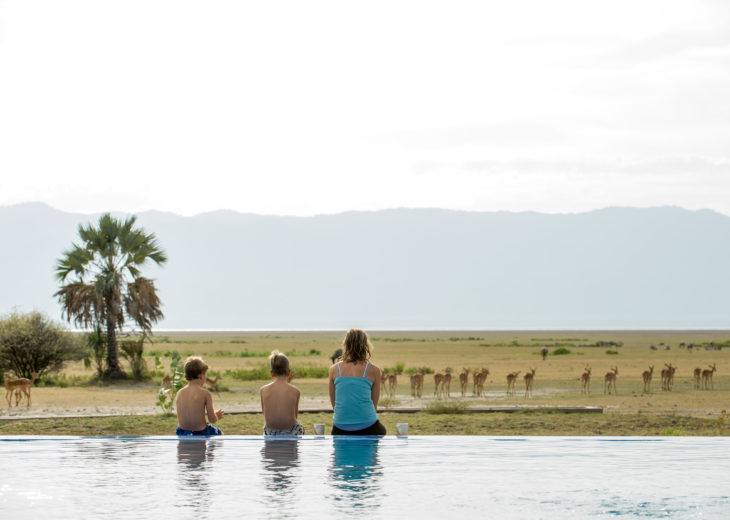
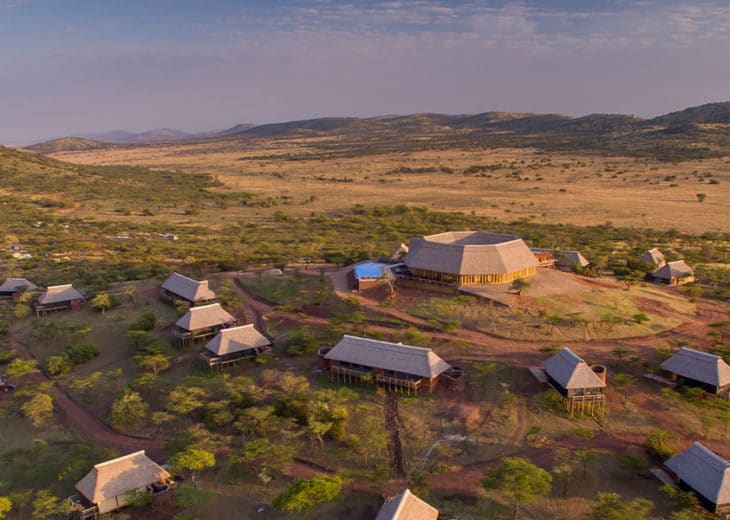
Map showing the location of Lake Burunge luxury tented safari camp in northern TanzaniaLake Burunge Tented Camp is situated on the shores of Lake Burunge and located in the migratory corridor of Manyara and Tarangire. Set in 25,000 hectares of a concession area dedicated to the conservation of the local Maasai Community.

Directions

BY AIR
North charters companies flies to and from Arusha to Manyara airstrip on a daily basis, approximately 25 min flight. Also connects with flights to and from Serengeti.

BY ROAD
The route takes approximately 2 hours, from Arusha.

Area Information

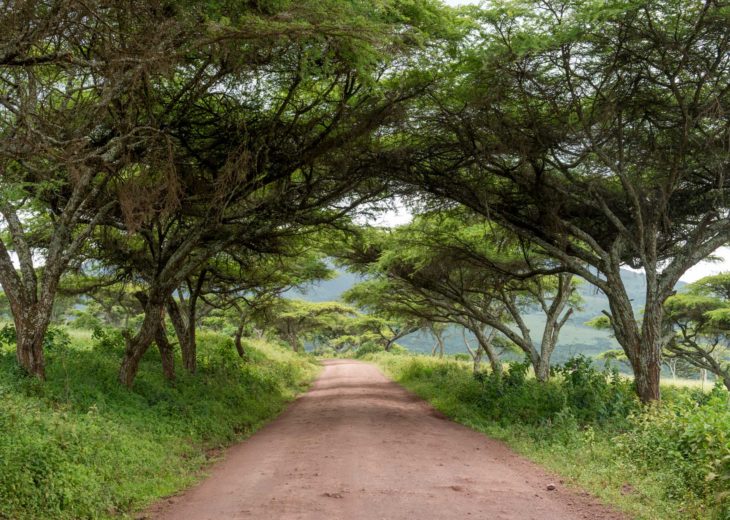
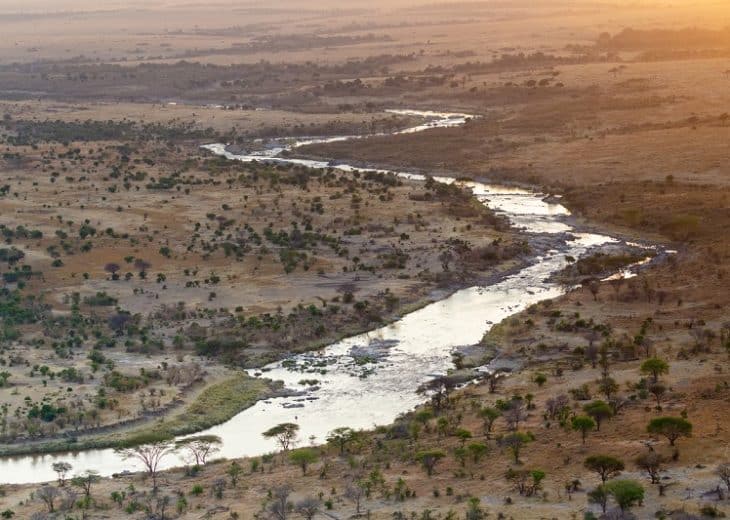
Tarangire has regions of quite dense bush, but with high grasses and huge old baobab trees unlike the green forests of Manyara. The land is hilly and dominated by the impressive valley of the Tarangire River, which attracts large numbers of migrant animals during the dry months, especially between July and September.

Tarangire Wildlife and Migration Patterns

During these months the concentration of animals around the Tarangire river is almost as diverse and reliable as in the Ngorongoro Crater, but the ecosystem here is balanced by a localized migration pattern that is followed by most animals other than lions, who don't tend to abandon their territory.

During April and May most animals disperse to where there is widespread greenery, vegetation and water. In June, the eland and oryxes begin to return, followed by elephants which return towards the end of the month. Tarangire is a great spot for elephant gatherings at the end of the rainy season in June, zebra and wildebeest return together through July.

By mid-August all the animals are congregating around their last reliable water source, the Tarangire River. The calving season falls in the early months of the year, through January, February and March, and so makes the most of the fresh grass during the rainy season.

Throughout the year there are always a fantastic number of colorful birds swooping and strutting along the rough paths in front of your vehicle, with likely spotting of the Paradise Whyder and endearing Yellow-collared lovebirds.

There are a few resident lion, which are easier to spot when the migration arrives to excite their taste buds. In other months they look quite mean and lean and slip easily between the lengthening grasses.