Español English

Location of Lake Masek Tented Camp

03° 02' 11.2" S // 35° 35' 301.5" E // Altitude: 1628 m

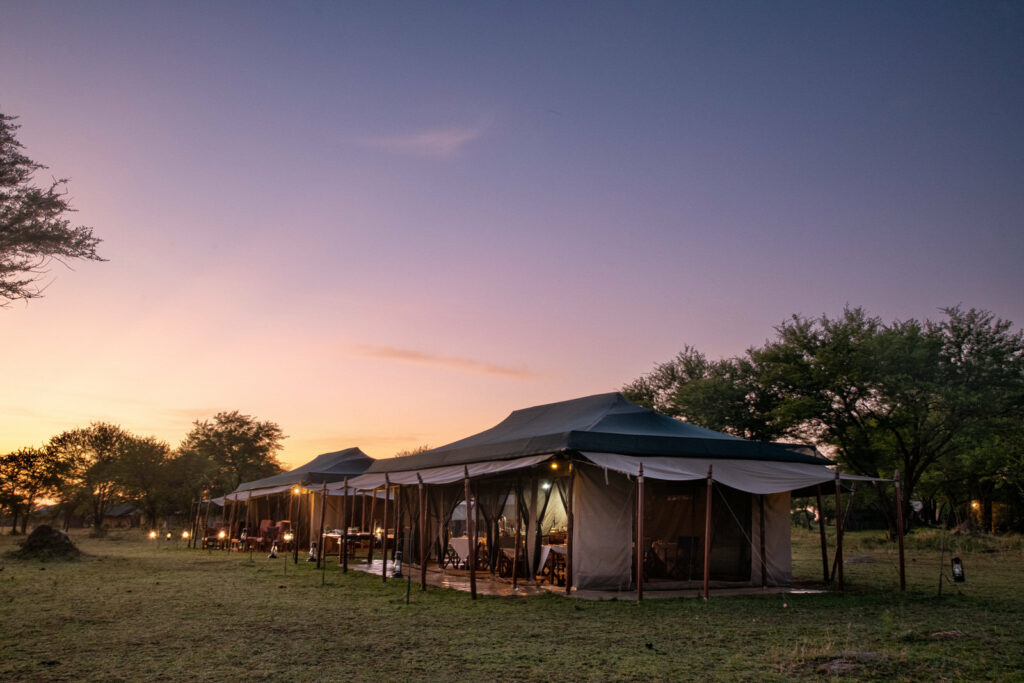

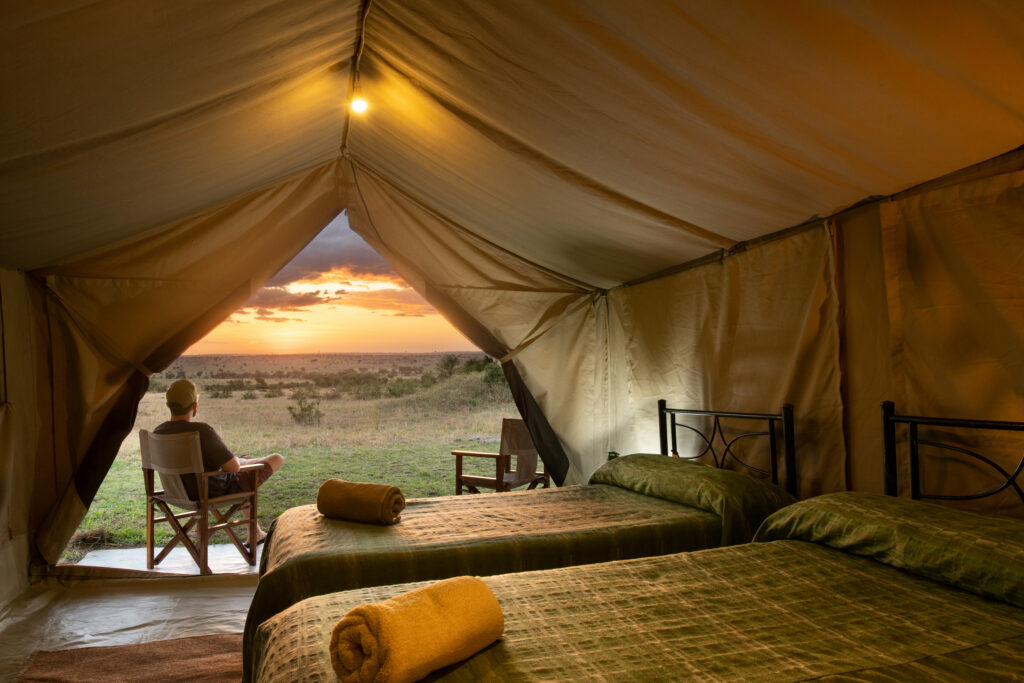

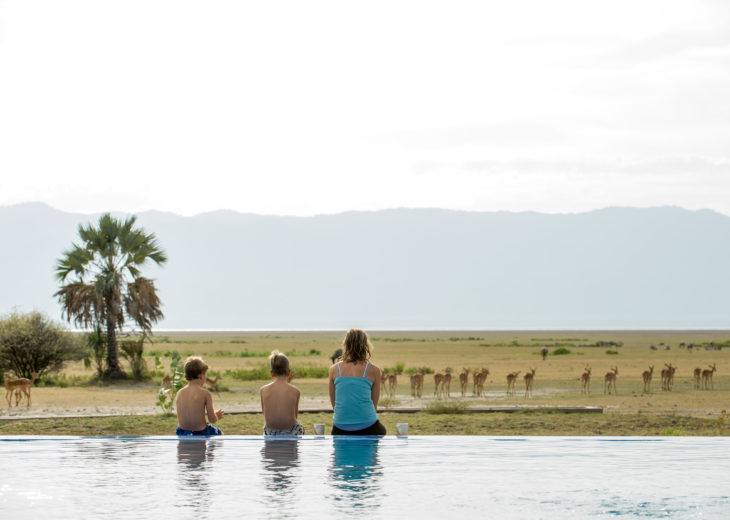
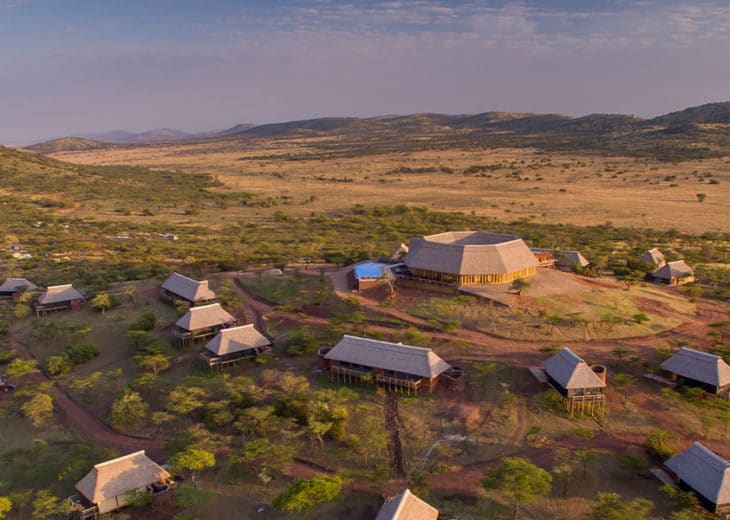
Map showing the location of Lake Masek luxury tented safari campA luxury tented camp located by the shores of Lake Masek in Ndutu, situated between the vast plains of the Serengeti National Park and the northwest side of the Ngorongoro Conservation Area.

How to get there

By air:
There are regular flights daily to and from Arusha from Ndutu airstrip and/or from Seronera. Some of there flights also connect with flights to and from Zanzibar and other national parks.

By road:
The drive takes approximately 4 hours from Arusha.

Area Information

Southern Serengeti Plains & Ngorongoro Conservation Area

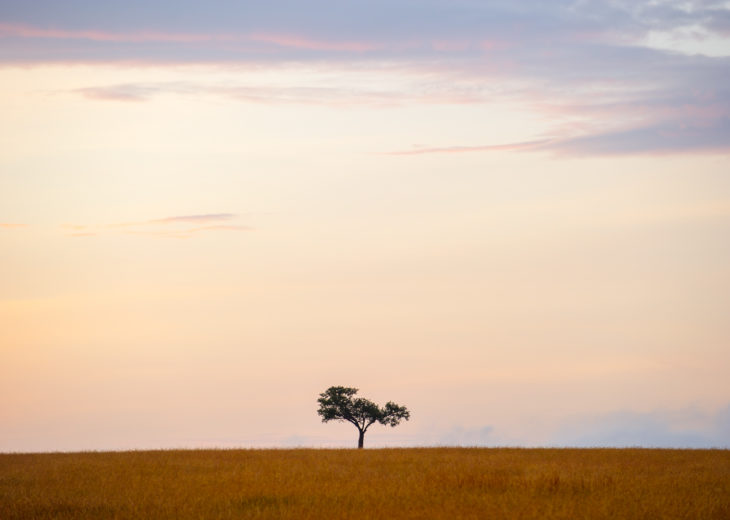
This area is dominated by the vast and seemingly endless short grass plains, between Ngorongoro Conservation Area and Serengeti national Park. Highlands directly south, the Maswa woodlands in the south west and the dramatic Gol Mountains and open plains of Loliondo to the south east and east respectively. The southern plains are at their best between mid December and late May when this whole area comes alive as millions of wildebeest move onto the plains in search of the fresh greengrass after the first rains.

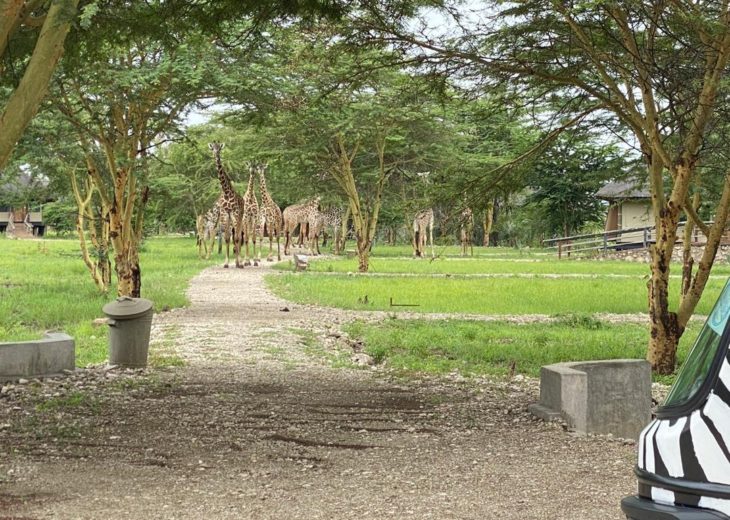
These areas are rich in the phosphorous-rich grasses the wildebeest are after, but after the rains there are few if any sources of permanent water so the grasses rapidly dry out forcing the wildebeest to move on. It’s on these surrounding plains that the wildebeest cows will congregate to give birth, in an extraordinarily effective coordinated bout of calving for a period of a month or so around early / mid February. The intention is to overwhelm the predators by sheer numbers when the young calves are at their most vulnerable so, as you'd expect there is lots of lion, hyena and cheetah action during this time and always plenty to see.

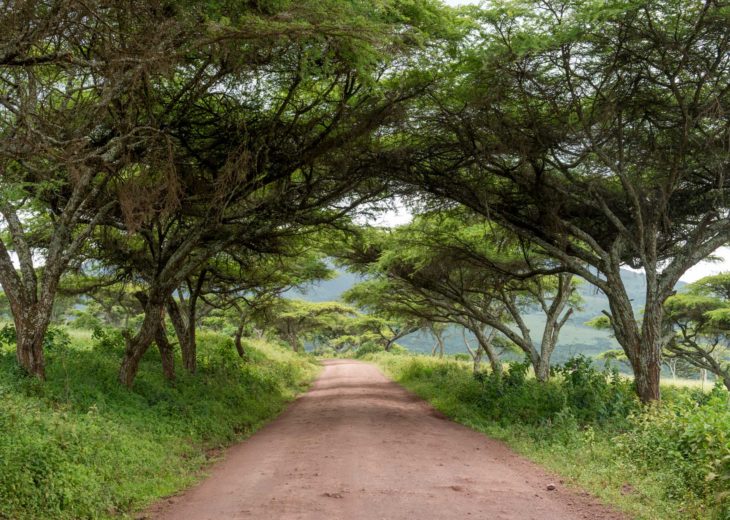
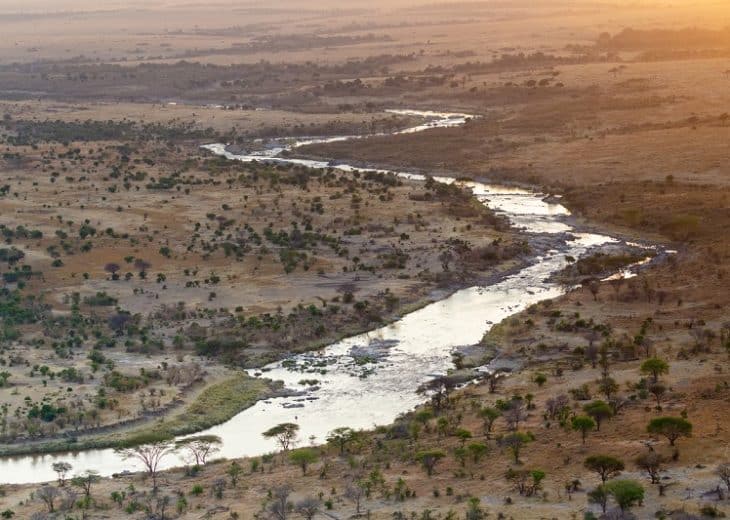
In the midst of this space, the Ndutu area with its two shallow soda lakes, provides stark contrast, as the woodlands fan out over the otherwise treeless plains, where the headwaters of Olduvai Gorge have eroded through the hard volcanic pan.

From March to early May,. the air is brilliantly clear from the sporadic storms that can sweep dramatically across the plains at this time of year but which are the saving grace of these months - when amazing flowers, insects & birdlife vie for your attention with the astonishing game concentrations.

As things start drying out by mid May, the herds will start to drift off the plains, gradually heading north west through Moru Kopjes and, by mid June, onwards to the west. Large numbers of gazelles will continue to hang around on the plains, and they in turn keep the cheetah here. Lion and even leopard are never far away, but by June you always have to work a little harder to see predators in this area, after the green months of plenty.

Even as the plains start drying out, there's a good chance of decent elephant sightings in the woodland and cheetah around the edges and we quite often see the smaller cats such as Serval and Caracal, close to the lakes.

The lakes are always sublime and in complete contrast to any other part of the Serengeti, drawing large numbers of flamingos. There is always good bird life around the lakes and in the woodland it is superb, often to people's surprise, even in the dry season. We sometimes recommend a brief stop over in this area enroute north.